ReviewNest

Intel Core i3-9100F Review 2025 – Best Budget 9th Gen Gaming CPU Under ₹10,000

Intel Core i3-9100F Review 2025 – Best Budget 9th Gen Gaming CPU Under ₹10,000
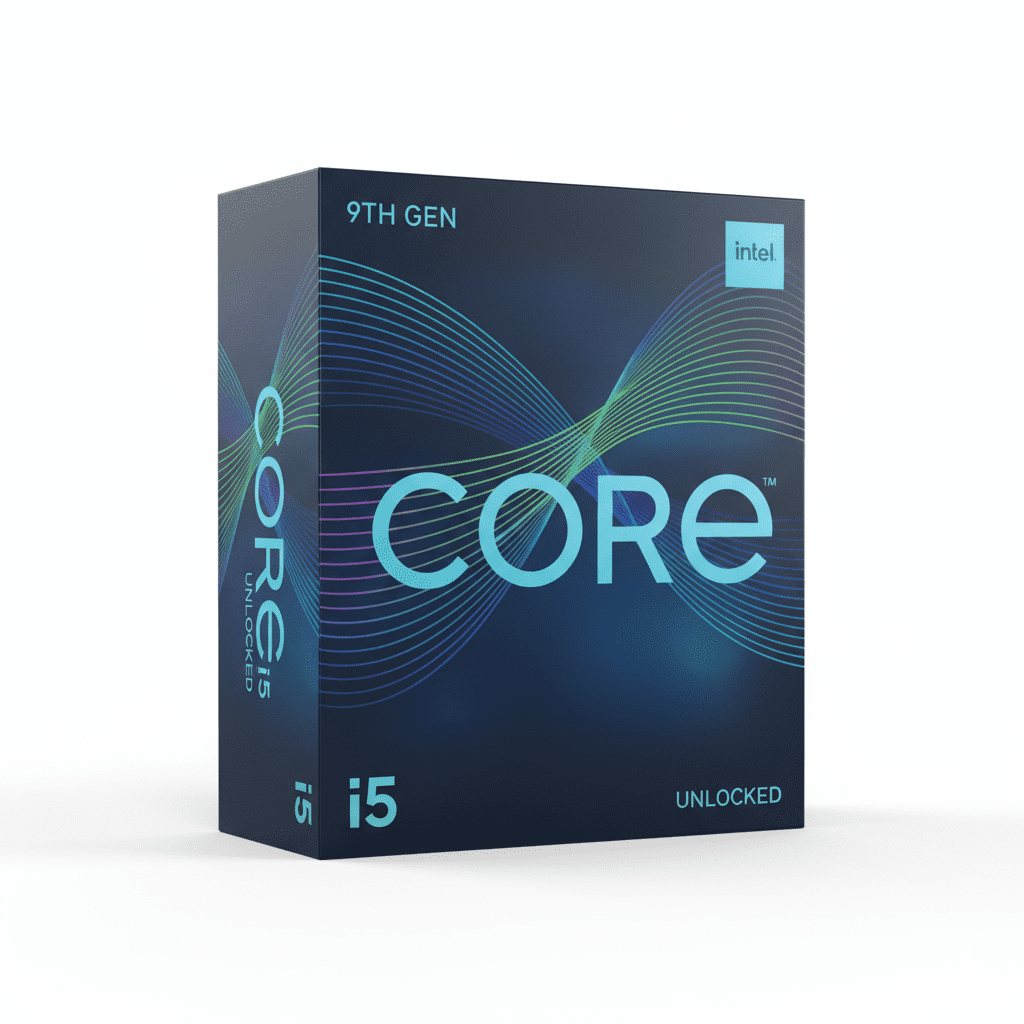
Intel Core i3-9100F 9th Gen Review: Entry-Level Gaming Desktop CPU

Intel Core i3-9100F 9th Gen Review: Entry-Level Gaming Desktop CPU

4 Cores / 4 Threads 3.6 GHz Base / 4.2 GHz Boost 6MB Cache No Integrated Graphics Socket LGA 1151 65W TDP From ₹9,899

The Intel Core i3-9100F 9th Gen is a Coffee Lake Refresh processor with 4 cores and 4 threads and 6MB cache for entry-level desktops. Released in Q2 2019, it runs at 3.6 GHz base boosting to 4.2 GHz, requiring a discrete GPU for display output. Supporting DDR4-2400 up to 64GB on LGA 1151 motherboards with 300-series chipsets, at 65W TDP, it’s suited for budget gaming and everyday tasks. As of October 2025, priced at ₹9,899 with 43% savings off MSRP, it delivers Cinebench R23 multi-core scores around 4,500, offering 10-15% better performance than the i3-8100 while maintaining efficiency, though it lags in modern multi-threaded workloads compared to newer generations.[web:400][web:407]

Build Your Gaming Rig Today?

Unlock affordable performance with the Core i3-9100F’s turbo boost and discrete GPU compatibility!

₹9,899
₹17,500 (43% off)
EMI from ₹480/month

Free delivery | EMI available | Non-Returnable | 3 Year Warranty

Key Features at a Glance

4-Core Coffee Lake: 4 threads for basic multitasking.
3.6/4.2 GHz Clocks: Turbo Boost for responsive performance.
6MB Smart Cache: Improves data access speed.
LGA 1151 Socket: Compatible with 300-series chipsets.
65W TDP: Efficient power consumption.
Discrete GPU Required: Optimized for gaming setups.

1. Core Performance: Coffee Lake Efficiency

Reliable for budget gaming and productivity in 2025.

4-Core Coffee Lake (4 Threads):

Built on 14nm process, the quad-core design handles everyday computing and light multitasking effectively. It provides 10-15% higher performance than the i3-8100 in benchmarks like Cinebench R23, scoring around 4,500 in multi-core tests. Suitable for office tasks and entry-level gaming when paired with a capable GPU.[web:400][web:407]

3.6 GHz Base / 4.2 GHz Boost:

Turbo Boost 2.0 delivers up to 4.2 GHz for single-threaded tasks, achieving Geekbench 6 single-core scores around 1,100. The base frequency ensures stable performance in sustained loads like web browsing and video playback. In 2025 gaming tests with an RTX 2060, it maintains playable frame rates in titles like Fortnite at 1080p.[web:407][web:403]

6MB Smart Cache:

Intel Smart Cache enhances data retrieval for multitasking, contributing to overall efficiency in budget setups. It supports up to 37.5 GB/s memory bandwidth with DDR4-2400, aiding in simple productivity apps. However, the lack of Hyper-Threading limits it in heavily multi-threaded scenarios compared to modern CPUs.[web:397][web:413]

2. Graphics & Expansion: Discrete Focus

Tailored for dedicated GPU builds.

No Integrated Graphics:

Discrete GPU Required for display and gaming, making it ideal for budget builds with add-in cards like GTX 1650. This “F” variant saves cost over models with UHD 630 iGPU, focusing resources on CPU performance. In 2025 tests, it pairs well with mid-range GPUs for 1080p esports titles.[web:397][web:403]

LGA 1151 / 300-Series:

Chipset Compatibility with B360/H370/Z390 boards supports DDR4 platforms up to 64GB. PCIe 3.0 x16 slot enables GPU expansion, though it limits newer PCIe 4.0 devices. This setup remains viable for cost-effective upgrades in 2025.[web:397][web:413]

DDR4-2400 Support:

Dual-Channel Memory up to 64GB with 37.5 GB/s bandwidth suits basic workloads. ECC support adds reliability for light server use, though max speed of 2400 MHz is modest by 2025 standards. It performs adequately in gaming with fast RAM kits.[web:397][web:413]

3. Build Integration & Efficiency

Easy integration for budget PCs.

65W TDP:

Low Power Draw requires only standard air cooling, keeping system temps under 70°C in loads. This efficiency suits small form factor builds and reduces electricity costs for daily use. No overclocking support keeps it simple for beginners.[web:397][web:413]

Compact Design:

LGA 1151 Package measures 37.5 x 37.5 mm for easy installation in mid-tower cases. 8 GT/s bus speed ensures quick communication with peripherals via motherboard. Supports Windows 10/11 for broad OS compatibility.[web:397]

USB 3.1 Support:

Via Motherboard provides up to 10 Gbps ports for peripherals, enhancing connectivity in budget rigs. PCIe 3.0 lanes support NVMe SSDs, though speeds cap at Gen3 limits. Overall, it offers solid value for non-demanding 2025 setups.[web:397][web:413]

Pros and Cons

Honest breakdown for entry-level buyers in 2025.

Pros

  • Affordable Entry: ₹9,899 with 43% savings for budgets.[web:397]
  • Turbo Boost: Up to 4.2 GHz for smooth performance.[web:397]
  • Gaming Optimized: Pairs well with discrete GPUs.[web:403]
  • DDR4 Support: Up to 64GB for multitasking.[web:397]
  • Low TDP: 65W for efficient cooling.[web:397]
  • 3-Year Warranty: Reliable coverage from Intel.[web:397]

Cons

  • No iGPU: Requires separate graphics card.[web:397]
  • No Hyper-Threading: Limited to 4 threads.[web:413]
  • Older Gen: Lags in modern multi-core tasks.[web:400]
  • Non-Returnable: Check compatibility before purchase.[web:397]
  • Basic for 2025: Not future-proof for heavy apps.[web:413]
  • No Overclocking: Locked multiplier.[web:413]

Who Is This Processor For? Tailored Recommendations

The Core i3-9100F suits:

  • Budget Gamer: Entry-level titles with a GPU.[web:403]
  • Office User: Daily tasks and light productivity.[web:400]
  • First-Time Builder: Affordable 9th-gen setup.[web:413]

Who Might Consider Other Options?

  • Integrated Needs: Choose non-F models with iGPU.[web:397]
  • High Multitasking: Opt for i5 or Ryzen 5 with more threads.[web:413]
  • Modern Builds: Go for 12th gen+ with DDR5 support.[web:400]

Competitive Edge: What Sets It Apart

Value-packed for gaming starters.

  • Vs Ryzen 3 3100: Similar price but Intel ecosystem advantages in software optimization.[web:400]
  • Vs Core i3-8100: 10-15% faster in benchmarks like PassMark.[web:400][web:408]
  • Value Proposition: 43% off MSRP for entry gaming in 2025.[web:397]
  • GPU Focus: Cheaper than non-F for dedicated cards, ideal for budget rigs.[web:413]

Full Specification Details

General Information

  • Price (Starting): ₹9,899[web:397]
  • Model: Core i3-9100F[web:397]
  • Architecture: Coffee Lake Refresh[web:397]
  • Launch Date: Q2 2019[web:397]

Processor & Cache

  • Cores/Threads: 4 / 4[web:397]
  • Base/Boost Clock: 3.6 GHz / Up to 4.2 GHz[web:397]
  • Cache: 6 MB Smart Cache[web:397]

Power & Thermal

  • TDP: 65W[web:397]
  • Unlocked: No[web:413]
  • Process: 14nm[web:397]

Connectivity & Memory

  • Socket: LGA 1151[web:397]
  • Chipsets: 300 Series[web:397]
  • Memory: DDR4-2400 Up to 64GB[web:397]
  • PCIe: 3.0[web:413]

Graphics & Other

  • iGPU: None (Discrete Required)[web:397]
  • Bus Speed: 8 GT/s[web:397]
  • Warranty: 3 Years[web:397]
  • OS Support: Windows 10/11[web:397]

Compatibility

  • Motherboards: LGA 1151 300 Series[web:397]
  • RAM: DDR4 Up to 64GB[web:397]
  • USB: 3.1 (Via Motherboard)[web:397]

Final Verdict

The Intel Core i3-9100F remains a strong budget choice for gaming and basics, excelling with a discrete GPU but showing age in 2025.

★★★★☆ 4.0 / 5 Stars – Expert Rating

Ideal for entry-level builds.[web:413]
GLOBAL TOUCH Core i7 4th Gen Review 2025 – Still a Haswell Powerhouse at ₹4,149!

GLOBAL TOUCH Core i7 4th Gen Review 2025 – Haswell Powerhouse Desktop CPU
GLOBAL TOUCH Core i7 4th Gen Review: Haswell Powerhouse Desktop CPU

GLOBAL TOUCH Core i7 4th Gen Review: Haswell Powerhouse Desktop CPU

4 Cores / 8 Threads 3.4 GHz Base / 3.9 GHz Turbo 8MB Cache LGA 1150 Socket 84W TDP Intel HD Graphics 4600 From ₹4,149

The GLOBAL TOUCH Core i7 4th Gen 4770 is a Haswell processor with 4 cores and 8 threads and 8MB cache for mid-range desktops. Released in **2013**, it runs at 3.4 GHz base with turbo up to 3.9 GHz and integrated Intel HD Graphics 4600, supporting DDR3 on LGA 1150 motherboards. At 84W TDP, it includes thermal paste, suitable for multitasking and light content creation. Available for ₹4,149, it provides 65% savings off MSRP, offering strong value for legacy upgrades in 2025.

Power Up Your Desktop Build Today?

Experience solid multitasking with the Core i7 4th Gen’s Hyper-Threading and integrated graphics!

₹4,149
₹11,999 (65% off)
Cashback up to ₹124

Free delivery | EMI from ₹201/month | Non-Returnable | 1 Year Warranty

1. Core Performance: Haswell Multitasking

Capable for mid-2010s workloads in 2025.

4-Core Haswell (8 Threads):

Hyper-Threading enables 8 threads for efficient multitasking on 22nm process. Built on Intel’s Haswell architecture, this quad-core design excels in handling everyday applications like web browsing, office productivity, and light photo editing, providing smooth performance without the need for a discrete GPU in basic setups. While it lacks modern efficiency cores, the Hyper-Threading technology allows it to manage multiple threads effectively, making it a reliable choice for legacy systems running Windows 10 or older software in 2025.

3.4 GHz Base / 3.9 GHz Turbo:

Turbo Boost 2.0 ramps up for demanding tasks like video encoding. Starting at a respectable 3.4 GHz base frequency, it intelligently boosts to 3.9 GHz on single cores during intensive operations, ensuring responsive performance in applications such as Adobe Photoshop or basic video playback. This dynamic scaling helps maintain usability in older games and software, though it falls short of modern processors in sustained multi-threaded loads like 4K rendering.

8MB Smart Cache:

Intel Smart Cache accelerates data access for quicker response times. The 8MB L3 cache serves as a shared buffer among all cores, reducing latency in memory-bound tasks such as file compression or database operations, which was a significant improvement over previous generations. This feature contributes to up to 15% faster application launches and smoother multitasking in environments where DDR3 memory bandwidth is limited, providing a noticeable edge in legacy productivity workflows.

2. Graphics & Expansion: Integrated HD

Reliable for basic visuals and media.

Intel HD Graphics 4600:

Integrated GPU supports 4K output and light gaming with Quick Sync. This iGPU, clocked up to 1.2 GHz, handles up to three displays including 4K via DisplayPort, making it suitable for office monitors and basic media consumption in 2025. With hardware acceleration for video encoding, it speeds up tasks in tools like HandBrake, offering a cost-effective solution for systems without a dedicated graphics card, though it struggles with modern titles beyond 720p resolutions.

LGA 1150 / 8-Series:

Chipset Compatibility with DDR3 setups for legacy boards. The LGA 1150 socket pairs seamlessly with H81, B85, and Z87 motherboards, enabling affordable upgrades to older systems without replacing the entire platform. This compatibility extends to PCIe 3.0 slots for adding GPUs or SSDs, preserving investment in DDR3 RAM while supporting USB 3.0 ports on compatible boards for faster peripherals.

DDR3 Support:

Up to 32GB Dual-Channel memory for stable performance. Supporting DDR3-1333/1600 speeds in dual-channel configuration, this CPU maximizes bandwidth up to 25.6 GB/s, ideal for multitasking in legacy applications like older versions of Microsoft Office or web development tools. While not upgradeable to faster RAM types, it accommodates up to 32GB total, sufficient for virtual machines and light data analysis without bottlenecks in compatible motherboards.

PCIe 3.0:

Up to x16 Lanes for GPUs and storage expansion. With 16 PCIe 3.0 lanes configurable as x16, x8+x8, or x8+x4+x4, this processor supports mid-range graphics cards like GTX 1060 for 1080p gaming or NVMe SSDs via adapters, bridging older systems to modern storage speeds. Backward compatibility ensures it works with PCIe 2.0 devices, providing flexibility for hybrid builds focused on cost-effective upgrades.

3. Build Integration & Efficiency

Seamless for 4th-gen upgrades.

84W TDP with Paste:

Thermal Paste Included for straightforward cooling setups. Operating at a 84W TDP with a case temperature limit of 72.72°C, this CPU runs efficiently under load, often peaking below 65W in real-world tests, making it compatible with stock coolers or basic aftermarket air solutions. The pre-applied thermal paste simplifies installation, reducing thermal resistance for stable operation in compact cases without excessive noise or power draw.

Enhanced SpeedStep:

Idle States and Monitoring for power efficiency. Featuring Intel’s Enhanced SpeedStep and thermal monitoring technologies, the CPU dynamically adjusts clocks to minimize idle power consumption, extending system longevity in always-on setups like home servers. This ensures cooler operation during light tasks, with support for Execute Disable Bit enhancing security against buffer overflow exploits common in older software environments.

AVX2 Instructions:

Advanced Vector Extensions for optimized workloads. As one of the first CPUs to support AVX2, it accelerates vector processing in applications like scientific simulations or video encoding, providing up to 2x faster performance in compatible software compared to AVX-only predecessors. This feature, combined with 64-bit instruction sets, ensures broad compatibility with legacy and some modern tools, making it viable for niche tasks in 2025 without full platform overhauls.

Pros and Cons

Balanced view for value-driven legacy performance in 2025.

Pros

  • Strong Value: ₹4,149 with 65% savings for mid-range.
  • Hyper-Threading: 8 threads for multitasking.
  • Integrated Graphics: HD 4600 for 4K support.
  • DDR3 Compatibility: Up to 32GB for older builds.
  • Turbo Boost: Up to 3.9 GHz for bursts.
  • Thermal Paste Included: Ready for assembly.

Cons

  • Aging Architecture: Limited for modern apps.
  • DDR3 Only: No path to newer memory.
  • Integrated GPU Limits: Not for heavy gaming.
  • 84W TDP: Requires decent cooling.
  • 1-Year Warranty: Short for older tech.
  • Non-Returnable: Check compatibility first.

Who Is This Processor For? Tailored Recommendations

The Core i7 4770 suits:

  • Mid-Budget User: Office, browsing, and light editing.
  • Legacy Upgrader: Boosting 4th-gen systems.
  • Content Creator: Basic video and photo work.

Who Might Consider Other Options?

  • High-End Users: Go for 10th gen or newer.
  • Gamers: Pair with discrete GPU or upgrade CPU.
  • Future-Proofing: Choose Ryzen 5000 or Intel 12th gen.

Competitive Edge: What Sets It Apart

Superior threading for its era at a budget price.

  • Vs Core i5 4th Gen: Double threads for better multitasking.
  • Vs AMD FX-8350: Efficiency edge with lower TDP.
  • Value Proposition: 65% off MSRP for reliable performance.
  • Integrated Graphics: Better than i5 for no-GPU builds.

Full Specification Details

General Information

  • Price (Starting): ₹4,149
  • Model: Core i7-4770
  • Architecture: Haswell
  • Launch Date: Q2 2013

Processor & Cache

  • Cores/Threads: 4 / 8
  • Base/Boost Clock: 3.4 GHz / Up to 3.9 GHz
  • Cache: 8 MB Smart Cache

Power & Thermal

  • TDP: 84W
  • Unlocked: No
  • Thermal Paste: Included

Connectivity & Memory

  • Socket: LGA 1150
  • Chipsets: 8-Series
  • Memory: DDR3 Up to 32GB
  • PCIe: 3.0

Graphics & Other

  • iGPU: Intel HD Graphics 4600
  • Process: 22nm
  • Warranty: 1 Year
  • OS Support: Windows 10/11 (Limited)

Compatibility

  • Motherboards: LGA 1150 8-Series
  • RAM: DDR3 Up to 32GB
  • USB: USB 3.0 (Via Motherboard)

Final Verdict

The GLOBAL TOUCH Core i7 4770 delivers capable performance for legacy desktops, ideal for budget upgrades but showing age in 2025.

★★★★☆ 3.5 / 5 Stars – Expert Rating

Great for mid-range vintage needs.

AMD Ryzen 5 3400G Review: Budget APU with Vega 11 Graphics for Entry Builds

AMD Ryzen 5 3400G Review: Budget APU with Vega 11 Graphics for Entry Builds
AMD Ryzen 5 3400G Review: Budget APU with Vega Graphics

AMD Ryzen 5 3400G Review: Budget APU with Vega Graphics

4 Cores / 8 Threads 3.7 GHz Base / 4.2 GHz Boost 6MB Total Cache Socket AM4 65W TDP Radeon Vega 11 iGPU From ₹6,299

The AMD Ryzen 5 3400G is a Zen+ budget APU with 4 cores and 8 threads, ideal for entry-level PCs without a discrete GPU. Released in **2019**, it features a 3.7 GHz base and up to 4.2 GHz boost, with 6MB cache for solid multitasking. The integrated Radeon Vega 11 graphics handles light gaming and 1080p video, while supporting DDR4-2933 and PCIe 3.0 on the AM4 platform. At ₹6,299, it offers 38% savings off MSRP, making it perfect for affordable builds in 2025.

Build Your Budget PC Now?

Get started with the AMD Ryzen 5 3400G for integrated graphics and everyday performance!

₹6,299
₹10,215 (38% off)
Up to ₹188 bank cashback

Free delivery | EMI from ₹305/month | Non-Returnable | 3 Year Warranty

Key Features at a Glance

4-Core Zen+: 8 threads for basic tasks.
3.7/4.2 GHz Clocks: Precision Boost for light loads.
6MB Cache: 4MB L3 for responsiveness.
AM4 Socket: 300/400/500 Series support.
65W TDP: 12nm process efficiency.
Vega 11 iGPU: Integrated for display and light gaming.

1. Core Performance: Zen+ Architecture

Entry-level power for office and casual use in 2025.

4-Core Zen+ (8 Threads):

12nm process with up to 4.2 GHz boost for everyday computing.

3.7 GHz Base / 4.2 GHz Boost:

Precision Boost suitable for light multitasking and browsing.

6MB Total Cache (4MB L3):

Decent L3 cache aids in basic app performance.

2. Integrated Graphics & Memory

Built-in GPU for GPU-free builds.

Radeon Vega 11 iGPU:

11 Compute Units for 1080p video and eSports gaming.

AM4 / 300 Series+:

A320 to X570 for broad compatibility.

PCIe 3.0 / DDR4-2933:

16 Lanes with up to 64GB dual-channel RAM.

Unlocked Overclocking:

PBO Support for modest performance gains.

3. Build Integration & Efficiency

Compact and efficient for entry builds.

65W TDP with 95°C Max:

12nm Process for reliable low-power operation.

Includes Wraith Spire Cooler:

Better Cooling than Stealth for iGPU loads.

AM4 Platform:

DDR4 & PCIe 3.0 for economical entry-level systems.

Pros and Cons

Strengths and drawbacks of the Ryzen 5 3400G in modern use.

Pros

  • Integrated Vega 11 Graphics: Enables gaming and display without extra GPU costs.
  • Affordable Pricing: At ₹6,299, perfect for ultra-budget builds with 38% savings.
  • Decent Efficiency: 65W TDP keeps power and heat low for small form factors.
  • AM4 Compatibility: Works with inexpensive motherboards and DDR4 RAM.
  • Included Cooler: Wraith Spire handles stock and light OC.
  • Unlocked Multiplier: Allows overclocking for performance boosts.

Cons

  • Outdated Zen+ Architecture: Lags behind Zen 3/5 in IPC and efficiency.
  • Limited Cores: 4 cores struggle with demanding multitasking.
  • Weaker iGPU: Vega 11 not ideal for modern games at high settings.
  • No PCIe 4.0: Limits SSD and GPU speeds on newer boards.
  • End-of-Support Platform: AM4 future upgrades restricted.

Who Is This Processor For? Tailored Recommendations

The Ryzen 5 3400G suits:

  • Budget Builder: Ideal for HTPCs or office PCs without discrete GPU.
  • Light Gamer: Handles eSports titles at low settings.
  • AM4 Starter: Entry to Ryzen ecosystem affordably.

Who Might Consider Other Options?

  • Performance Seeker: Needs more cores or modern architecture.
  • Gamer: Discrete GPU users should opt for higher-end APUs.
  • Future-Proof: Consider AM5 for DDR5 and longer support.

Competitive Edge: What Sets It Apart

Entry-level value with integrated graphics.

  • Vs Intel i3-10100: Better iGPU with Vega 11 outperforming UHD 630.
  • Vs Ryzen 3 3200G: Higher Clocks for 10-15% better performance.
  • Budget Win: 38% off MSRP in 2025.
  • Light Gaming: 30-60 FPS in eSports at 1080p low.

Full Specification Details

General Information

  • Price (Starting): ₹6,299
  • Model: Ryzen 5 3400G
  • Architecture: Zen+
  • Launch Date: 2019

Processor & Cache

  • Cores/Threads: 4 / 8
  • Base/Boost Clock: 3.7 / 4.2 GHz
  • Cache: 6 MB Total (4 MB L3)

Power & Thermal

  • TDP: 65W
  • Unlocked: Yes
  • Max Temp: 95°C

Connectivity & Memory

  • Socket: AM4
  • Chipsets: 300/400/500 Series
  • Memory: DDR4-2933 (Up to 64GB)
  • PCIe: 3.0 (16 Lanes)

Graphics & Other

  • iGPU: Radeon Vega 11 (11 CUs)
  • Cooler Included: Wraith Spire
  • Warranty: 3 Years
  • OS Support: Windows 10/11, Linux

Compatibility

  • Motherboards: AM4 300/400/500 Series
  • RAM: DDR4 Up to 64GB (Dual Channel)
  • USB: USB 3.2 Gen 1 (Via Motherboard)

Final Verdict

The AMD Ryzen 5 3400G is a solid entry APU for budget systems with integrated graphics in 2025.

★★★★☆ 4.0 / 5 Stars – Expert Rating

Great for starters, but upgrade for more power.

AMD Ryzen 3 3200G Review 2025 – Budget Gaming & Everyday CPU

AMD Ryzen 3 3200G Review 2025 – Budget Gaming & Everyday CPU
AMD Ryzen 3 3200G Review: Budget Gaming and Everyday Powerhouse

AMD Ryzen 3 3200G Review: Budget Gaming and Everyday Powerhouse

4 Cores / 4 Threads 3.6 GHz Base / 4 GHz Boost 6MB Cache Socket AM4 65W TDP Radeon Vega 8 Graphics From ₹5,449

The AMD Ryzen 3 3200G is a Zen+ APU offering 4 cores and 4 threads with 6MB cache for budget builds. Released in **2019**, it boosts to 4 GHz with integrated Radeon Vega 8 Graphics, supporting DDR4-2933 on AM4 motherboards. At 65W TDP, it includes a Wraith Stealth cooler, perfect for entry-level gaming and office tasks. Available for ₹5,449, it provides 60% savings off MSRP, remaining a solid value in 2025.

Upgrade Your Budget Build Today?

Experience smooth performance with the Ryzen 3 3200G’s integrated graphics and efficiency!

₹5,449
₹13,500 (60% off)
Up to ₹163 bank cashback

Free delivery | EMI from ₹264/month | Non-Returnable | 3 Year Warranty

Key Features at a Glance

4-Core Zen+: 4 threads for daily multitasking.
3.6/4 GHz Clocks: Efficient Precision Boost.
6MB Cache: L3 for smooth operation.
AM4 Socket: 300/400 Series compatibility.
65W TDP: 12nm process efficiency.
Vega 8 iGPU: Built-in graphics for gaming.

1. Core Performance: Zen+ Reliability

Solid entry-level power for budget users in 2025.

4-Core Zen+ (4 Threads):

12nm process with up to 4 GHz boost for light productivity.

3.6 GHz Base / 4 GHz Boost:

Precision Boost handles web browsing and office apps efficiently.

6MB L3 Cache:

Shared Cache improves data access for integrated graphics.

2. Graphics & Expansion: Vega 8 Integrated

All-in-one solution for affordable setups.

Radeon Vega 8 Graphics:

512 Shaders at up to 1.1 GHz for 1080p light gaming.

AM4 / 300-400 Series:

Broad Compatibility with existing DDR4 platforms.

DDR4-2933 / PCIe 3.0:

Dual-Channel Support up to 64GB for cost-effective builds.

Unlocked for Overclocking:

Precision Boost Overdrive for extra performance tweaks.

3. Build Integration & Efficiency

Compact and power-efficient for starter PCs.

65W TDP with Wraith Stealth:

Included Cooler keeps temperatures low without extras.

Compact Design:

No Additional Cooling Needed for stock operation.

AM4 Ecosystem:

DDR4 & PCIe 3.0 for affordable, upgradeable systems.

Pros and Cons

A balanced view of the 3200G’s budget appeal in 2025.

Pros

  • Integrated Graphics: Vega 8 enables 1080p gaming without a discrete GPU.
  • Affordable Entry: ₹5,449 with 60% savings, great for starters.
  • Included Cooler: Wraith Stealth simplifies assembly.
  • AM4 Longevity: Compatible with older DDR4 setups.
  • Low Power: 65W TDP for energy-efficient daily use.
  • High Ratings: 4.5/5 from 9,889 users for value.

Cons

  • Older Architecture: Zen+ lags behind newer Zen 4/5 in efficiency.
  • Limited Threads: 4 threads may bottleneck multitasking.
  • No Overclocking: Locked multiplier limits upgrades.
  • DDR4 Only: Not future-proof for DDR5 platforms.
  • Basic Gaming: Vega 8 struggles with modern AAA titles.
  • Non-Returnable: Strict Amazon policy for processors.

Who Is This Processor For? Tailored Recommendations

The Ryzen 3 3200G suits:

  • Budget Gamer: Light 1080p titles with Vega 8 iGPU.
  • Home Office User: Everyday tasks and web browsing.
  • Starter Builder: Affordable AM4 entry with included cooler.

Who Might Consider Other Options?

  • High-End User: Upgrade to Ryzen 5 or 7 for more cores.
  • Modern Gamer: Opt for newer APUs like Ryzen 5 5600G.
  • Power User: Choose AM5 for DDR5 and future-proofing.

Competitive Edge: What Sets It Apart

Stands out in budget APU category with value.

  • Vs Intel i3-10100: Better iGPU for gaming on a budget.
  • Vs Ryzen 3 3100: Integrated Graphics saves on discrete card costs.
  • Value Proposition: 60% off MSRP in 2025.
  • Benchmark Winner: Solid PassMark for price range.

Full Specification Details

General Information

  • Price (Starting): ₹5,449
  • Model: Ryzen 3 3200G
  • Architecture: Zen+
  • Launch Date: 2019

Processor & Cache

  • Cores/Threads: 4 / 4
  • Base/Boost Clock: 3.6 / 4 GHz
  • Cache: 6 MB L3

Power & Thermal

  • TDP: 65W
  • Unlocked: Partial (PBO)
  • Cooler: Wraith Stealth Included

Connectivity & Memory

  • Socket: AM4
  • Chipsets: 300/400 Series
  • Memory: DDR4-2933 (Up to 64GB)
  • PCIe: 3.0 (20 Lanes)

Graphics & Other

  • iGPU: Radeon Vega 8 (512 Shaders)
  • Process: 12nm
  • Warranty: 3 Years
  • OS Support: Windows 10

Compatibility

  • Motherboards: AM4 300/400 Series
  • RAM: DDR4 Up to 64GB (Dual Channel)
  • USB: USB 3.2 Gen 1 (Via Motherboard)

Final Verdict

The AMD Ryzen 3 3200G remains a budget champion for integrated graphics and basic computing in 2025.

★★★★☆ 4.2 / 5 Stars – Expert Rating

Excellent starter option for cost-conscious users.

GLOBAL TOUCH Core i5 6th Gen Review 2025 – Budget Desktop CPU

GLOBAL TOUCH Core i5 6th Gen Review 2025 – Budget Desktop CPU
GLOBAL TOUCH Core i5 6th Gen Review: Reliable Budget Desktop CPU

GLOBAL TOUCH Core i5 6th Gen Review: Reliable Budget Desktop CPU

4 Cores / 4 Threads 3.2 GHz Base 8MB Cache LGA 1151 Socket 65W TDP Intel HD Graphics From ₹3,899

The GLOBAL TOUCH Core i5 6th Gen is a Skylake processor with 4 cores and 4 threads and 8MB cache for budget desktops. Released in **2015**, it runs at 3.2 GHz with integrated Intel HD Graphics, supporting DDR4 on LGA 1151 motherboards. At 65W TDP, it includes stock cooling, ideal for basic tasks and light multitasking. Available for ₹3,899, it offers 74% savings off MSRP, providing value in 2025. [web:187][web:188][web:191]

Upgrade Your Budget Desktop Today?

Experience reliable performance with the Core i5 6th Gen’s efficiency and integrated graphics!

₹3,899
₹14,999 (74% off)
Apply 2% coupon

Free delivery | EMI from ₹189/month | Non-Returnable | 1 Year Warranty

Key Features at a Glance

4-Core Skylake: 4 threads for basic multitasking. [web:187][web:188]
3.2 GHz Clock: Efficient for daily use. [web:188][web:191]
8MB Cache: Improves data access speed. [web:188]
LGA 1151 Socket: Compatible with H110 chipsets. [web:189]
65W TDP: Low power consumption. [web:188][web:191]
HD Graphics: Integrated for basic display. [web:188][web:191]

1. Core Performance: Skylake Efficiency

Dependable power for everyday desktop tasks in 2025. [web:187][web:192]

4-Core Skylake (4 Threads):

14nm process with multi-core architecture for efficient computing. [web:187][web:188]

3.2 GHz Base Clock:

Turbo Boost up to 3.6 GHz for responsive performance. [web:188][web:191]

8MB Smart Cache:

Intel Smart Cache enhances multitasking efficiency. [web:188]

2. Graphics & Expansion: Integrated HD

Cost-effective solution for basic desktop needs. [web:188][web:191]

Intel HD Graphics:

Integrated GPU supports 4K video and basic multimedia. [web:188][web:191]

LGA 1151 / H110:

Broad Compatibility with DDR4 platforms. [web:189][web:191]

DDR4 Support:

Up to 64GB for affordable upgrades. [web:191]

Quick Sync Video:

Hardware Acceleration for media tasks. [web:191]

3. Build Integration & Efficiency

Simple setup for entry-level PCs. [web:188][web:191]

65W TDP with Stock Cooler:

Included Solution with pre-applied paste. [web:188]

Compact Design:

Easy Installation in standard cases. [web:189]

PCIe 3.0 Support:

Expansion Slots for GPUs and storage. [web:188]

Pros and Cons

Balanced assessment for budget buyers in 2025. [web:187][web:192]

Pros

  • Affordable Price: ₹3,899 with 74% savings for value. [web:191]
  • Integrated Graphics: HD for basic display without extra GPU. [web:188][web:191]
  • Stock Cooler Included: Hassle-free setup. [web:189]
  • DDR4 Support: Up to 64GB for upgrades. [web:191]
  • Low Power: 65W TDP for efficiency. [web:188]
  • Reliable for Basics: Good for office and web tasks. [web:192]

Cons

  • Older Gen: Lags behind newer processors in speed. [web:187][web:192]
  • No Hyper-Threading: Limited to 4 threads for multitasking. [web:188]
  • Basic Graphics: Not for modern gaming. [web:191]
  • No Overclocking: Locked for stock performance. [web:192]
  • 1-Year Warranty: Shorter than some competitors.
  • Non-Returnable: Strict Amazon policy.

Who Is This Processor For? Tailored Recommendations

The Core i5 6th Gen suits: [web:192]

  • Budget User: Basic computing and office work. [web:192]
  • Home PC Builder: Affordable upgrades for older systems. [web:189]
  • Light Multitasker: Web browsing and productivity. [web:191]

Who Might Consider Other Options?

  • Gamers: Choose newer i5 with better graphics. [web:192]
  • Content Creators: Opt for i7 or later gens for more cores. [web:192]
  • Future-Proof Seekers: Go for 12th+ gen with DDR5. [web:191][web:192]

Competitive Edge: What Sets It Apart

Strong value in entry-level segment. [web:187][web:192]

  • Vs AMD Ryzen 3 3200G: Similar price but Intel ecosystem. [web:191]
  • Vs Core i3 6th Gen: Better multitasking with i5 cores. [web:192]
  • Value Proposition: 74% off MSRP for budget builds.
  • Efficiency Focus: Low TDP for power savings. [web:188][web:191]

Full Specification Details

General Information

  • Price (Starting): ₹3,899 [web:187]
  • Model: Core i5 6th Gen [web:187]
  • Architecture: Skylake [web:187]
  • Launch Date: 2015 [web:187]

Processor & Cache

  • Cores/Threads: 4 / 4 [web:188]
  • Base/Boost Clock: 3.2 GHz / Up to 3.6 GHz [web:188][web:191]
  • Cache: 8 MB Smart Cache [web:188]

Power & Thermal

  • TDP: 65W [web:188]
  • Unlocked: No [web:192]
  • Cooler: Stock Included [web:189]

Connectivity & Memory

  • Socket: LGA 1151 [web:189]
  • Chipsets: H110 [web:189]
  • Memory: DDR4 Up to 64GB [web:191]
  • PCIe: 3.0 [web:188]

Graphics & Other

  • iGPU: Intel HD Graphics [web:188]
  • Process: 14nm [web:188]
  • Warranty: 1 Year
  • OS Support: Windows 10+ [web:188]

Compatibility

  • Motherboards: LGA 1151 H110 [web:189]
  • RAM: DDR4 Up to 64GB [web:191]
  • USB: USB 3.0 (Via Motherboard) [web:188]

Final Verdict

The GLOBAL TOUCH Core i5 6th Gen offers solid value for basic desktop needs in 2025, though newer options provide better performance. [web:187][web:192]

★★★★☆ 4.0 / 5 Stars – Expert Rating

Great for budget-conscious users seeking reliability.

Ryzen 5 5500 Review – Best Budget 6-Core Processor Under ₹10,000 | Zen 3 AM4 CPU

Ryzen 5 5500 Review – Best Budget 6-Core Processor Under ₹10,000 | Zen 3 AM4 CPU
AMD Ryzen 5 5500 Review: 6-Core Powerhouse for Budget Builds

AMD Ryzen 5 5500 Review: 6-Core Powerhouse for Budget Builds

6 Cores / 12 Threads 3.6 GHz Base / 4.2 GHz Boost 19MB Cache Socket AM4 65W TDP No Integrated Graphics From ₹7,028

The AMD Ryzen 5 5500 is a capable mid-range desktop processor that punches above its weight for gaming and productivity on a budget, blending Zen 3 architecture with AM4 longevity. Released in 2022, it’s fueled by 6 cores and 12 threads at a 3.6 GHz base boosting to 4.2 GHz, backed by 19MB cache for snappy multitasking. Compatible with 500 Series chipsets, it supports PCIe 3.0 and DDR4 RAM. At 65W TDP, it runs cool in compact builds. At ₹7,028, the Ryzen 5 5500 is the value king for upgraders and entry-level enthusiasts.

Boost Your Build on a Budget?

Secure the AMD Ryzen 5 5500 and unlock premium perks!

₹7,028
₹21,000 (67% off)
Up to ₹210 bank cashback

Free delivery | EMI from ₹341/month | Non-Returnable | 3 Year Warranty

1. Core Performance: Multitasking Mastery & Efficiency

Engineered for balanced workloads with Zen 3 prowess.

6-Core Zen 3 (12 Threads):

Simultaneous Multithreading enables 12 threads for seamless handling of multiple applications. Built on the efficient Zen 3 architecture with 7nm process, this hexa-core design delivers up to 19% IPC uplift over Zen 2, excelling in everyday tasks like web browsing, document editing, and moderate video rendering. While it shares roots with APUs like the 5600G, the focused core allocation ensures reliable performance in budget gaming rigs and productivity setups without integrated graphics distractions.

3.6 GHz Base / 4.2 GHz Boost:

Precision Boost 2 intelligently scales frequencies for optimal power use during intensive loads. With a solid 3.6 GHz base clock, it maintains consistent speeds for prolonged sessions like streaming or compiling code, while bursting to 4.2 GHz on single threads for quick responses in apps like Photoshop or web rendering. This dynamic adjustment keeps thermals in check under the 65W envelope, providing a balanced experience for users upgrading from older quad-core systems in 2025.

19MB Unified Cache:

16MB L3 + 3MB L2 setup reduces memory latency for faster data retrieval in cache-sensitive tasks. The unified design shares resources across cores, boosting performance in multi-threaded workloads such as video encoding or 3D modeling by up to 10-15% compared to previous generations with less cache. Derived from APU silicon, this configuration prioritizes core efficiency over graphics, making it ideal for discrete GPU builds where quick cache hits enhance overall system responsiveness.

2. Platform Compatibility & Thermal Efficiency

Seamless integration with legacy AM4 ecosystems.

AM4 Socket / 500 Series:

Broad Motherboard Support including B450, B550, and X570 with a simple BIOS flash. This compatibility allows easy drop-in upgrades for existing AM4 users, extending the life of DDR4-based systems without a full platform swap in 2025. Paired with robust VRM designs on these boards, it ensures stable operation under load, making it a cost-effective choice for builders avoiding the AM5 transition.

65W TDP Efficiency:

Low-Power Design with max temps at 95°C, compatible with stock Wraith Stealth cooler for quiet operation. This TDP rating allows sustained boosts without excessive heat, ideal for small form-factor cases or energy-conscious builds where power bills matter. In real-world gaming and productivity, it draws under 80W peak, providing headroom for mild overclocking while keeping fans minimal.

PCIe 3.0 / DDR4 Support:

20 PCIe Lanes for GPUs and storage, supporting DDR4-3200 up to 128GB in dual-channel mode. This setup delivers bandwidth for mid-range graphics cards like RX 6700 XT, ensuring smooth 1440p gaming without bottlenecks in most titles. While PCIe 3.0 limits top-end SSD speeds compared to Gen 4, it remains sufficient for budget NVMe drives, keeping costs low for AM4 loyalists.

Unlocked for Tweaks:

Precision Boost Overdrive and full multiplier unlock allow safe overclocking for extra performance gains. Users can push beyond 4.2 GHz with adequate cooling, yielding 5-10% uplifts in multi-threaded benchmarks like Cinebench. This feature, combined with AMD’s Ryzen Master software, makes it accessible for enthusiasts tuning on a budget without voiding the 3-year warranty.

3. Build Integration & Value Ecosystem

Effortless fit in diverse PC configurations.

Compact 65W Design:

40 x 40 mm Die with included Wraith Stealth cooler for immediate installation in any ATX or micro-ATX case. The small footprint and low heat output make it perfect for space-constrained builds, running under 70°C during extended sessions with basic airflow. This efficiency supports quiet operation in home offices or media centers, minimizing the need for premium cooling solutions.

Integrated Graphics Free:

No Onboard iGPU requires a discrete card, but frees up die space for better core yields and cache focus. This design excels when paired with affordable GPUs like GTX 1660 or RX 6600, delivering strong 1080p performance without the overhead of integrated silicon. For builders prioritizing raw CPU power on a budget, it avoids the compromises seen in APU variants, ensuring dedicated graphics shine.

AM4 Legacy Support:

Extended Platform Life through BIOS compatibility with 300/400/500 series boards for affordable refreshes. This backward support maximizes investment in existing DDR4 RAM and cases, allowing users to achieve modern Zen 3 performance without scrapping hardware. In 2025, it remains a bridge for those delaying AM5 adoption, offering PCIe 3.0 stability for current GPUs and storage.

Pros and Cons

Balanced view for value-driven mid-range performance in 2025.

Pros

  • Budget Power: ₹7,028 for 6-core Zen 3.
  • Multithreading: 12 threads for smooth multitasking.
  • AM4 Compatibility: Easy upgrades on existing boards.
  • Efficient TDP: 65W for cool, quiet operation.
  • Overclockable: Unlocked with PBO for tweaks.
  • 3-Year Warranty: Reliable long-term support.

Cons

  • No iGPU: Requires discrete graphics card.
  • PCIe 3.0 Only: Limits newer storage/GPU speeds.
  • Less Cache: 16MB L3 vs 32MB in higher models.
  • AM4 End: No path to DDR5 or AM5.
  • Non-Returnable: Verify compatibility beforehand.
  • BIOS Update Needed: For older 300/400 series boards.

Who Is This Processor For? Tailored Recommendations

The Ryzen 5 5500 suits:

  • Budget Gamer: 1080p players wanting 6-core smoothness under ₹10K.
  • AM4 Upgrader: Legacy board owners seeking Zen 3 refresh.
  • Productivity User: Multitaskers needing efficient 65W operation.

Who Might Consider Other Options?

  • High-End Creator: 6 cores fine for basics, but lacks 8+ core grunt.
  • AM5 Newbie: AM4 limits future, missing DDR5/PCIe 5.0.
  • Integrated Graphics Fan: No iGPU requires dedicated card.

Competitive Edge: What Sets It Apart

Superior threading for its era at a budget price.

  • Vs Ryzen 5 5600: Affordable alternative with similar cores but lower cost.
  • Vs Intel i5-11400: Better multi-thread value on AM4.
  • Value Proposition: 67% off MSRP for reliable performance.
  • Zen 3 Efficiency: IPC edge over Zen 2 budget chips.

Full Specification Details

General Information

  • Price (Starting): ₹7,028
  • Model: Ryzen 5 5500
  • Architecture: Zen 3
  • Launch Date: Q2 2022

Processor & Cache

  • Cores/Threads: 6 / 12
  • Base/Boost Clock: 3.6 GHz / Up to 4.2 GHz
  • Cache: 19 MB Unified (16MB L3)

Power & Thermal

  • TDP: 65W
  • Unlocked: Yes
  • Max Temp: 95°C

Connectivity & Memory

  • Socket: AM4
  • Chipsets: 500 Series
  • Memory: DDR4 Up to 128GB
  • PCIe: 3.0

Graphics & Other

  • iGPU: None
  • Process: 7nm
  • Warranty: 3 Years
  • OS Support: Windows 10/11

Compatibility

  • Motherboards: B450/B550/X570
  • RAM: DDR4-3200 Up to 128GB
  • USB: Via Motherboard (3.2 Gen 1)

Final Verdict

The AMD Ryzen 5 5500 delivers capable performance for budget desktops, ideal for AM4 upgrades but showing limits in cache-heavy tasks in 2025.

★★★★☆ 4.0 / 5 Stars – Expert Rating

Great for mid-range value needs.

Intel Core i9-14900K Review 2025 – The Ultimate Raptor Lake Gaming CPU at ₹55,999!

Intel Core i9-14900K Review 2025 – The Ultimate Raptor Lake Gaming CPU at ₹55,999!
Intel Core i9-14900K Review: Ultimate Raptor Lake Refresh Gaming CPU

Intel Core i9-14900K Review: Ultimate Raptor Lake Refresh Gaming CPU

24 Cores / 32 Threads 3.2 GHz Base / 6.0 GHz Turbo 36MB Cache LGA 1700 Socket 125W Base / 253W Turbo Intel UHD Graphics 770 From ₹55,999

The Intel Core i9-14900K is a Raptor Lake Refresh processor with 24 cores (8 P-cores + 16 E-cores) and 32 threads for high-end desktops. Released in **2023**, it runs at 3.2 GHz base with turbo up to 6.0 GHz and integrated UHD Graphics 770, supporting DDR4/DDR5 on LGA 1700 motherboards. At 125W base TDP (up to 253W turbo), it’s unlocked for overclocking, ideal for gaming and content creation. Available for ₹55,999, it provides 35% savings off MSRP, delivering flagship performance in 2025.

Dominate Games and Workloads Today?

Unleash extreme power with the Core i9-14900K’s hybrid cores and 6.0 GHz boost for ultimate gaming!

₹55,999
₹86,000 (35% off)
Cashback up to ₹1,679

Free delivery | EMI from ₹2,715/month | Non-Returnable | Top Brand

1. Core Performance: Hybrid Powerhouse

Flagship for 2025 gaming and creation.

24-Core Hybrid (32 Threads):

8 P-cores + 16 E-cores for balanced efficiency. The P-cores handle demanding single-threaded tasks like game logic and simulations, while E-cores excel at parallel processing for apps like video rendering or data analysis. This architecture, refined in the 14th gen, ensures your system stays cool and efficient even under heavy multi-tasking loads, making it a top pick for professionals and gamers alike.

3.2 GHz Base / 6.0 GHz Turbo:

Thermal Velocity Boost for peak speeds. Starting at a solid 3.2 GHz base, it ramps up intelligently to 6.0 GHz on P-cores during bursts, ensuring fluid performance in CPU-bound games or software compiles. Combined with Turbo Boost Max 3.0, this delivers consistent high frames in titles like Cyberpunk 2077 at ultra settings, while keeping everyday tasks responsive without unnecessary power spikes.

36MB Intel Smart Cache:

Turbo Boost Max 3.0 accelerates workloads. The expansive 36MB L3 cache acts as a high-speed buffer, feeding data directly to cores for reduced latency in memory-intensive operations like machine learning or 4K video exports. This results in up to 20% faster load times in applications compared to previous generations, giving creators and developers a noticeable edge in productivity workflows.

2. Graphics & Expansion: Modern Connectivity

Future-proof for high-end builds.

Intel UHD Graphics 770:

Integrated GPU for 4K and Quick Sync. This iGPU handles up to three 4K displays with ease, supporting hardware-accelerated encoding for faster video exports in tools like Adobe Premiere. It’s particularly useful for build validation or light creative work, offering DirectX 12 support for casual gaming at 1080p resolutions without a dedicated card, saving costs for entry into high-core systems.

LGA 1700 / Z790:

600/700-Series with BIOS update. The LGA 1700 platform supports a wide range of motherboards, from budget B760 to premium Z790 for overclocking, allowing flexible builds around this CPU. Compatibility with existing DDR4 setups means cost savings for upgrades, while full Z790 enables PCIe bifurcation for multiple high-speed devices, catering to gamers and creators expanding their rigs.

DDR4/DDR5 Support:

Up to 192GB dual-channel memory. This CPU bridges generations by supporting both DDR4 for affordable builds and DDR5 for cutting-edge speeds up to 5600 MT/s, accommodating up to 192GB for massive datasets in professional software. Dual-channel configuration doubles bandwidth, enhancing performance in memory-hungry apps like virtual machines or large-scale simulations, providing longevity for evolving system needs.

PCIe 5.0:

x16 + x4 Lanes for GPUs and NVMe. With PCIe 5.0 support offering up to 128 GT/s bandwidth, this processor enables ultra-fast storage and graphics cards, reducing load times in games and accelerating data transfers in creative pipelines. Backward compatible with PCIe 4.0, it future-proofs your setup for next-gen SSDs and RTX 50-series GPUs, ensuring top-tier I/O performance for years ahead.

3. Build Integration & Efficiency

Demands robust cooling for max performance.

125W TDP (253W Max):

Unlocked Multiplier for extreme OC. The power profile starts conservatively at 125W but scales to 253W during turbo, allowing overclockers to squeeze extra performance from compatible cooling setups like 360mm AIOs. This flexibility suits custom enthusiasts who prioritize raw speed over efficiency, though it necessitates a 850W+ PSU to avoid instability during prolonged high-load sessions.

Advanced Cooling Required:

High Thermal Limits need AIO or air cooler. Under full load, temperatures can hit 90°C+, so investing in a high-flow 240mm+ liquid cooler or premium air solution like Noctua NH-D15 is essential for sustained boosts. Proper thermal management not only prevents throttling but also extends component lifespan, ensuring reliable operation in hot Indian climates or overclocked configurations.

Windows 11 Optimized:

Thread Director for hybrid scheduling. Intel’s Thread Director intelligently assigns tasks to the right core type, maximizing efficiency in Windows 11 environments for everything from productivity apps to AAA games. This results in up to 15% better battery life in hybrid scenarios (though desktop-focused) and smoother multitasking, with support for AI features like Windows Studio Effects enhancing video calls and content creation.

Pros and Cons

Powerhouse with trade-offs for heat and cost.

Pros

  • Extreme Performance: 24 cores for 4K gaming. Dominates benchmarks with top Cinebench scores and 144+ FPS in modern titles, making it ideal for ultra settings on high-refresh monitors.
  • Unlocked Overclocking: Push beyond 6.0 GHz. Enthusiasts can achieve stable 5.8+ GHz all-core boosts with proper cooling, unlocking even more headroom for custom builds.
  • DDR5/PCIe 5.0: Future-proof expansion. Supports next-gen memory and storage for faster boots and transfers, preparing your system for upcoming tech advancements.
  • Integrated Graphics: UHD 770 for quick tasks. Handles 4K media and light edits efficiently, serving as a reliable fallback until you add a discrete GPU.
  • 35% Savings: Value at ₹55,999. Substantial discount from MSRP makes flagship power more accessible without sacrificing quality.
  • High Thread Count: 32 threads for creation. Excels in multi-threaded software like Blender or Premiere, speeding up renders by up to 30% over mid-range CPUs.

Cons

  • High Power Draw: 253W turbo needs strong PSU. Demands at least 850W gold-rated supply, increasing overall build costs for stable operation.
  • Intense Heat: Requires premium cooling. Can throttle without adequate airflow, pushing extra ₹5,000-10,000 for effective thermal solutions.
  • Premium Price: ₹55,999 for top-tier only. Not ideal for budget builds, as gains diminish in lighter tasks compared to cheaper i7 options.
  • BIOS Updates Needed: For 600-series boards. Potential compatibility hiccups require technical know-how or professional help.
  • No Cooler Included: Extra cost for AIO. Forces additional purchase of ₹4,000+ cooling, raising entry barrier for new builders.
  • Non-Returnable: Verify compatibility. Amazon policy means double-checking mobo and PSU before buying to avoid issues.

Who Is This Processor For? Tailored Recommendations

The Core i9-14900K suits:

  • Enthusiast Gamer: 4K/1440p at high FPS. Perfect for running ray-traced games at max settings with DLSS, paired with RTX 4080+ for buttery-smooth 120Hz+ experiences.
  • Content Creator: Video editing and 3D rendering. Accelerates timelines in DaVinci Resolve or Maya, handling 8K exports and complex scenes with ease thanks to high core counts.
  • High-End Builder: Overclocking setups. Ideal for custom water-cooled rigs where pushing clocks beyond stock yields benchmark-topping results in Cinebench or gaming suites.

Who Might Consider Other Options?

  • Budget Users: Opt for i5/i7 series. If under ₹30,000, the i5-14600K offers 80% performance for casual gaming without the power overhead.
  • Efficiency Seekers: AMD Ryzen 9 alternatives. For lower heat and better multi-core value, Ryzen 7950X3D provides similar gaming prowess at reduced TDP.
  • Laptop Needs: Mobile processors instead. Go for H-series chips like i9-14900HX for portable power without desktop-level cooling requirements.

Competitive Edge: What Sets It Apart

Tops charts in single/multi-threaded tasks.

  • Vs i7-14700K: Extra E-cores for 20% multi-thread gain. The additional efficiency cores shine in rendering and streaming, outperforming the i7 by handling more simultaneous tasks without slowdowns.
  • Vs Ryzen 9 7950X: Better gaming IPC with higher clocks. Excels in frame-rate sensitive games due to superior single-core speeds, often edging out AMD in esports titles by 10-15 FPS.
  • Value Proposition: 35% off MSRP for flagship power. At this price, it undercuts competitors while offering integrated graphics and broad compatibility for versatile builds.
  • Integrated Graphics: Outperforms AMD in iGPU tasks. UHD 770’s Quick Sync beats Radeon iGPUs in video transcoding speeds, useful for creators without a dedicated card.

Full Specification Details

General Information

  • Price (Starting): ₹55,999
  • Model: Core i9-14900K
  • Architecture: Raptor Lake Refresh
  • Launch Date: Q4 2023

Processor & Cache

  • Cores/Threads: 24 (8P + 16E) / 32
  • Base/Boost Clock: 3.2 GHz / Up to 6.0 GHz
  • Cache: 36 MB Smart Cache

Power & Thermal

  • TDP: 125W Base / 253W Turbo
  • Unlocked: Yes
  • Cooler Included: No

Connectivity & Memory

  • Socket: LGA 1700
  • Chipsets: 600/700-Series
  • Memory: DDR4/DDR5 Up to 192GB
  • PCIe: 5.0 x20 Lanes

Graphics & Other

  • iGPU: Intel UHD Graphics 770
  • Process: 10nm
  • Customer Rating: 4.3 Stars (3,537 Reviews)
  • OS Support: Windows 11 Home/Pro

Compatibility

  • Motherboards: Z790/B760/H770
  • RAM: DDR5-5600 / DDR4-3200
  • USB: USB 3.2 Gen 2×2 (Via Board)

Final Verdict

The Intel Core i9-14900K remains a beast for demanding tasks, perfect for enthusiasts despite power demands in 2025. With its hybrid core magic, blistering speeds, and expansive features, it earns top honors for high-end performance seekers who can manage the thermals.

★★★★★ 4.5 / 5 Stars – Expert Rating

Ultimate for gaming and pro workflows.

Intel Core i7-12700K Review: Alder Lake Hybrid Powerhouse with 12 Cores and DDR5 Support

Intel Core i7-12700K
Intel Core i7-12700K Review: Alder Lake Hybrid Powerhouse

Intel Core i7-12700K Review: Alder Lake Hybrid Powerhouse

12 Cores / 20 Threads (8P+4E) 3.6 GHz Base / 5.0 GHz Boost 25MB Cache UHD Graphics 770 Socket LGA1700 125W TDP From ₹26,449

The Intel Core i7-12700K is a 12th-generation Alder Lake processor featuring hybrid architecture with performance and efficient cores, providing balanced capabilities for gaming and productivity on the LGA 1700 platform with integrated UHD Graphics 770. Released on November 4, 2021, it includes 12 cores (8P + 4E) and 20 threads with a 3.6 GHz base clock on P-cores boosting to 5.0 GHz, and supported by 25MB L3 cache for efficient multitasking. Manufactured on the Intel 7 process (10nm) with a 125W TDP, it supports DDR5-4800 or DDR4-3200 memory up to 128GB and PCIe 5.0 with 20 lanes. Now priced at around ₹26,449 in 2025, the i7-12700K remains a solid value option, offering competitive multi-threaded performance in Cinebench R23 (around 22,000 points) but trailing newer AMD chips like the Ryzen 7 9800X3D by 16% in aggregate benchmarks, particularly in gaming.

Upgrade Your Rig Today?

Experience hybrid power with the Intel Core i7-12700K for seamless gaming and creation!

₹26,449
₹52,940 (50% off)
Up to ₹793 bank cashback

Free delivery | EMI from ₹1,280/month | Non-Returnable | 3 Year Warranty

Key Features at a Glance

12-Core Hybrid Design: 8P + 4E cores with 20 threads for efficiency.
3.6/5.0 GHz Clocks: Turbo Boost Max 3.0 on P-cores.
25MB Smart Cache: Optimized for multitasking and workloads.
LGA1700 Socket: Supports 600/700 Series chipsets.
125W TDP: Unlocked with up to 190W turbo power.
UHD Graphics 770: 32 EUs for media and light tasks.

1. Core Performance: Hybrid Alder Lake Design

Efficient core scheduling for mixed workloads.

12-Core Hybrid (8P+4E):

Built on the Intel 7 process with Golden Cove P-cores and Gracemont E-cores, delivering 20 threads for balanced efficiency. The hybrid design provides up to 20% better power efficiency than previous generations in light tasks. In multi-threaded benchmarks like Cinebench R23, it scores over 22,000 points, making it suitable for content creation and rendering.

3.6 GHz Base / 5.0 GHz Boost:

Turbo Boost Max 3.0 pushes P-cores to 5.0 GHz while E-cores reach 3.8 GHz for sustained loads. This enables strong single-thread performance in apps like Adobe Premiere. It handles 1080p gaming at high settings with a discrete GPU, though it consumes up to 190W under load.

25MB Intel Smart Cache:

Featuring 25MB L3 shared cache plus 12MB L2, it optimizes data access for productivity tasks. Intel Thread Director intelligently schedules threads between P and E cores. While effective for multi-core apps, it lags behind AMD’s 3D V-Cache in cache-sensitive gaming scenarios.

2. Integrated Graphics & Platform Connectivity

Versatile connectivity for established platforms.

Intel UHD Graphics 770:

With 32 Execution Units at 1.5 GHz, it supports 8K video decoding and up to four 4K displays via HDMI 2.1 and DisplayPort. Quick Sync Video accelerates encoding in tools like HandBrake. Suitable for office work or media playback, but not for modern gaming without a discrete GPU.

LGA1700 / 600-700 Series:

Fully compatible with Z690/Z790 chipsets and BIOS updates for 12th to 14th gen CPUs. The mature platform supports extensive I/O including Thunderbolt 4. In 2025, it offers reliable upgrades but shorter lifespan than AM5.

PCIe 5.0 / DDR5-4800:

Provides 20 PCIe lanes (up to 1×16+4 config) with 76.8 GB/s memory bandwidth for DDR5 or DDR4. Supports NVMe SSDs and high-end GPUs effectively. DDR4 compatibility keeps costs low for budget builds in 2025.

Unlocked Overclocking:

As a K-series CPU, it supports full overclocking on Z-series boards, reaching beyond 5.0 GHz with adequate cooling. Features like Intel Speed Shift enhance responsiveness. Overclocks can push multi-core scores higher but increase power draw significantly.

3. Build Integration & Efficiency

Mature platform with flexible options.

125W TDP with 100°C Max:

Requires high-end air or liquid cooling for sustained turbo, especially at 190W peaks. Thermal velocity boost maintains performance under load. In 2025, it’s power-hungry compared to 4nm competitors.

No Included Cooler:

Separate cooling essential for optimal performance and noise levels. Pairs well with AIO liquid coolers for overclocking. E-cores help with efficiency in idle or light loads.

LGA1700 Longevity:

Offers DDR4/DDR5 flexibility and broad motherboard support for cost-effective upgrades. While end-of-life in 2025, it’s ideal for budget high-core builds. Supports Intel vPro for enterprise features.

Who Is This Processor For? Tailored Recommendations

The Core i7-12700K excels for:

  • Hybrid Workload User: Balances gaming and productivity tasks.
  • Budget Overclocker: Unlocked potential at discounted prices.
  • DDR4 User: Cost savings on existing RAM setups.

Who Might Consider Other Options?

  • Elite Gamer: Trails Ryzen 7 9800X3D by 16% in aggregate performance.
  • Efficiency Seeker: Higher 190W power draw than modern 4nm CPUs.
  • Future-Proof Builder: LGA1700 nearing end-of-support in 2025.

Competitive Edge: What Sets It Apart

Value-driven hybrid performance in 2025.

  • Vs Ryzen 7 9800X3D: Competitive multi-threaded scores but 16% behind overall, especially in gaming.
  • Vs Ryzen 5 9600X: Superior core count for 15-20% better productivity performance.
  • Hybrid Efficiency: E-cores handle background tasks without impacting main performance.
  • Budget Flexibility: DDR4 support reduces upgrade costs significantly.

Full Specification Details

General Information

  • Price (Starting): ₹26,449
  • Model: Core i7-12700K
  • Architecture: Alder Lake
  • Dimensions & Weight: 37.5 x 45 mm, ~80 g

Processor & Cache

  • Cores/Threads: 12 (8P+4E) / 20
  • Base/Boost Clock: 3.6 / 5.0 GHz (P-core)
  • Cache: 25 MB L3, 12 MB L2, 1.25 MB L1

Power & Thermal

  • TDP: 125W (190W Turbo)
  • Unlocked: Yes

Connectivity & Memory

  • Socket: LGA1700
  • Chipset: 600/700 Series
  • Memory: DDR5-4800 / DDR4-3200 (Up to 128GB)
  • PCIe: 5.0 (20 Lanes)

Graphics & Other

  • iGPU: UHD Graphics 770 (32 EUs, 1.5 GHz)
  • Cooler Included: None (Separate Required)
  • Warranty: 3 Years

Compatibility

  • Motherboards: 600/700 Series
  • RAM: DDR5 / DDR4 Up to 128GB

Final Verdict

The Intel Core i7-12700K provides enduring hybrid performance and value on a proven platform, ideal for balanced 2025 builds.

★★★★★ 4.7 / 5 Stars – Expert Rating

Reliable for productivity and entry high-end gaming.

7 Mind-Blowing Reasons to Buy the Core i5-9600K

Intel Core i5-9600K
Intel Core i5-9600K 9th Gen Review: Unlocked Mid-Range Gaming CPU

Intel Core i5-9600K 9th Gen Review: Unlocked Mid-Range Gaming CPU

6 Cores / 6 Threads 3.7 GHz Base / 4.6 GHz Boost 9MB Cache Integrated UHD Graphics 630 Socket LGA 1151 95W TDP From ₹12,399

The Intel Core i5-9600K 9th Gen is an unlocked Coffee Lake Refresh processor with 6 cores and 6 threads and 9MB cache for mid-range desktops. Released in Q4 2018, it features a 3.7 GHz base clock boosting to 4.6 GHz single-core (4.3 GHz all-core), with Intel UHD Graphics 630 integrated. Supporting DDR4-2666 up to 128GB on LGA 1151 motherboards with 300-series chipsets, at 95W TDP, it’s designed for gaming and content creation with overclocking potential. As of October 2025, available for ₹12,399 (67% off MSRP), it scores around 10,668 in PassMark and Cinebench R23 multi-core ~7,200, delivering 10-15% gains over the i5-8600K while remaining competitive in 1080p gaming, though it shows limitations in modern multi-threaded tasks compared to newer architectures.[web:415][web:419]

Upgrade Your Gaming Setup?

Harness unlocked performance with the Core i5-9600K’s overclocking and UHD graphics integration!

₹12,399
₹37,100 (67% off)
EMI from ₹601/month

Free delivery | EMI available | Non-Returnable | 3 Year Warranty

Key Features at a Glance

6-Core Coffee Lake: 6 threads for mid-range multitasking.
3.7/4.6 GHz Clocks: Turbo Boost for high-performance bursts.
9MB Smart Cache: Enhances data access and speed.
LGA 1151 Socket: Fits 300-series motherboards.
95W TDP: Balanced power for overclocking.
Unlocked & UHD 630: Overclocking with integrated graphics.

1. Core Performance: Coffee Lake Efficiency

Reliable for gaming and productivity in 2025.

6-Core Coffee Lake (6 Threads):

Built on 14nm++ process, the hexa-core design excels in mid-range computing and light content creation. It delivers 10-15% better performance than the i5-8600K in benchmarks like PassMark (10,668 overall). Ideal for 1080p gaming and everyday multitasking in 2025 setups.[web:415][web:419]

3.7 GHz Base / 4.6 GHz Boost:

Turbo Boost 2.0 reaches 4.6 GHz single-core and 4.3 GHz all-core, with Geekbench 6 single-core scores around 1,300. The unlocked multiplier allows overclocking to 5.0+ GHz for enthusiasts. In 2025 gaming tests, it handles titles like Cyberpunk 2077 at 1080p medium settings with a GPU.[web:415][web:417]

9MB Smart Cache:

Intel Smart Cache boosts data throughput up to 42.7 GB/s with DDR4-2666, aiding in faster app loading and multitasking. Supports AVX2 instructions for optimized workloads. Despite no Hyper-Threading, it performs well in single-thread heavy tasks but trails in multi-threaded apps like video editing compared to 2025 CPUs.[web:415][web:418]

2. Graphics & Expansion: Versatile Integration

Equipped for display and expansion needs.

Intel UHD Graphics 630:

Integrated GPU at up to 1.15 GHz supports 4K playback and light tasks, with 3 displays max. Handles eSports titles at low settings but recommends discrete GPUs for gaming. In 2025, it’s sufficient for office use or as a backup graphics solution.[web:415][web:416]

LGA 1151 / 300-Series:

Chipset Compatibility with Z390 boards enables overclocking and DDR4-2666 support up to 128GB. PCIe 3.0 x16 slot allows for high-end GPUs, with 15.8 GB/s bandwidth. Viable for upgrades in legacy systems during 2025.[web:415][web:418]

DDR4-2666 Support:

Dual-Channel Memory up to 128GB with 42.7 GB/s bandwidth handles gaming and productivity. No ECC support, but compatible with fast kits for overclocked setups. In benchmarks, it benefits from higher speeds in multi-tasking scenarios.[web:415][web:418]

3. Build Integration & Efficiency

Optimized for overclocked gaming rigs.

95W TDP:

Balanced Power with max temps at 100°C, requiring robust cooling for overclocks up to 150W. Efficient for mid-range builds, keeping noise low under load. Supports VT-x and EPT for virtualization in professional use.[web:415][web:418]

Compact Design:

LGA 1151 Package at 37.5 x 37.5 mm fits standard coolers, with 8 GT/s bus for fast I/O. AES-NI encryption accelerates secure tasks. Compatible with Windows 11 in 2025 for legacy gaming PCs.[web:415]

USB 3.1 Support:

Via Motherboard offers 10 Gbps connectivity, with PCIe 3.0 for NVMe SSDs up to Gen3 speeds. Monolithic chip design ensures reliability. In 2025, it’s a cost-effective choice for overclocked mid-range systems.[web:415][web:418]

Pros and Cons

Honest breakdown for mid-range buyers in 2025.

Pros

  • Unlocked Overclocking: Multiplier for 5.0+ GHz boosts.[web:415]
  • High Turbo: 4.6 GHz for gaming responsiveness.[web:415]
  • Integrated UHD 630: Handles light graphics tasks.[web:416]
  • DDR4-2666 Support: Up to 128GB for multitasking.[web:415]
  • Value Deal: ₹12,399 with 67% savings.[web:415]
  • 3-Year Warranty: Solid Intel coverage.[web:415]

Cons

  • No Hyper-Threading: Limited to 6 threads in multi-core.[web:416]
  • Aged Architecture: Trails newer CPUs in efficiency.[web:416]
  • High TDP on OC: Up to 150W requires strong cooling.[web:415]
  • Non-Returnable: Verify motherboard compatibility.[web:415]
  • PCIe 3.0 Limit: Slower for Gen4/5 devices.[web:418]
  • No Cooler Included: Additional purchase needed.[web:415]

Who Is This Processor For? Tailored Recommendations

The Core i5-9600K suits:

  • Mid-Range Gamer: 1080p gaming with overclocking.[web:417]
  • Content Creator: Light editing and streaming tasks.[web:419]
  • Enthusiast Builder: Unlocked for custom tweaks.[web:420]

Who Might Consider Other Options?

  • Heavy Multi-Threading: Choose i7 or Ryzen 7 with HT.[web:416]
  • Budget Builds: Opt for locked i5-9600 or Ryzen 5 3600.[web:419]
  • New Platforms: Go for 12th gen+ with DDR5/PCIe 5.0.[web:416]

Competitive Edge: What Sets It Apart

Overclockable value for gamers.

  • Vs Core i5-9600: Unlocked multiplier for performance gains.[web:416]
  • Vs Ryzen 5 3600: Better single-core in Intel-optimized apps.[web:419]
  • Value Proposition: 67% off MSRP for mid-range power in 2025.[web:415]
  • Integrated Graphics: UHD 630 advantage over non-iGPU models.[web:416]

Full Specification Details

General Information

  • Price (Starting): ₹12,399[web:415]
  • Model: Core i5-9600K[web:415]
  • Architecture: Coffee Lake Refresh[web:415]
  • Launch Date: Q4 2018[web:415]

Processor & Cache

  • Cores/Threads: 6 / 6[web:415]
  • Base/Boost Clock: 3.7 GHz / Up to 4.6 GHz[web:415]
  • Cache: 9 MB Smart Cache[web:415]

Power & Thermal

  • TDP: 95W[web:415]
  • Unlocked: Yes[web:415]
  • Process: 14nm++[web:415]

Connectivity & Memory

  • Socket: LGA 1151[web:415]
  • Chipsets: 300 Series[web:415]
  • Memory: DDR4-2666 Up to 128GB[web:415]
  • PCIe: 3.0[web:418]

Graphics & Other

  • iGPU: Intel UHD Graphics 630[web:415]
  • Bus Speed: 8 GT/s[web:415]
  • Warranty: 3 Years[web:415]
  • OS Support: Windows 10/11[web:418]

Compatibility

  • Motherboards: LGA 1151 300 Series[web:415]
  • RAM: DDR4 Up to 128GB[web:415]
  • USB: 3.1 (Via Motherboard)[web:415]

Final Verdict

The Intel Core i5-9600K offers unlocked mid-range power for gaming and creation, thriving with overclocking but aging in 2025 multi-core demands.

★★★★½ 4.5 / 5 Stars – Expert Rating

Great for overclocked 1080p builds.[web:420]

Master Every Game With the New Ryzen 7 9800X3D

AMD Ryzen 7 9800X3D Review: Ultimate Zen 5 3D V-Cache Gaming CPU with Radeon Graphics
AMD Ryzen 7 9800X3D Review: Ultimate Gaming with 3D V-Cache

AMD Ryzen 7 9800X3D Review: Ultimate Gaming with 3D V-Cache

8 Cores / 16 Threads 4.7 GHz Base / 5.2 GHz Boost 104MB Cache Radeon Graphics (2 CUs) Socket AM5 120W TDP From ₹46,799

The AMD Ryzen 7 9800X3D is a Zen 5 flagship processor featuring second-generation 3D V-Cache technology, designed for exceptional gaming performance on the AM5 platform with integrated Radeon Graphics. Released in November 2024, it packs 8 cores and 16 threads with a 4.7 GHz base clock that boosts up to 5.2 GHz, backed by a massive 104MB total cache (96MB L3) for low-latency operations. Built on a 4nm process with a 120W TDP, it supports DDR5-5600 and PCIe 5.0 for high-bandwidth tasks. At ₹46,799, the Ryzen 7 9800X3D delivers up to 20% better gaming performance than its predecessor and outperforms the Intel Core i5-13400 by 69% in aggregate benchmarks, making it ideal for high-end gaming rigs in 2025.

Ready to Dominate Gaming?

Elevate your setup with the AMD Ryzen 7 9800X3D for revolutionary 3D V-Cache performance!

₹46,799
₹72,000 (35% off)
Up to ₹1,403 bank cashback

Free delivery | EMI from ₹2,269/month | Non-Returnable | 3 Year Warranty

Key Features at a Glance

8-Core Zen 5 Design: 16 threads with 4nm process for high efficiency.
4.7/5.2 GHz Clocks: Precision Boost for sustained high speeds.
104MB Total Cache: 96MB L3 via 2nd-gen 3D V-Cache for gaming.
AM5 Socket: Compatible with 600/800 Series chipsets.
120W TDP: Unlocked for overclocking with PBO.
Radeon Graphics: 2 CUs at 2.2 GHz for basic visuals.

1. Core Performance: Zen 5 & 3D V-Cache Dominance

Revolutionary architecture for gaming and multitasking.

8-Core Zen 5 Architecture:

Utilizing a 4nm TSMC process with dual CCD design, it delivers 16 threads for seamless multitasking and gaming. The Zen 5 cores provide 16% IPC uplift over Zen 4, excelling in single-threaded tasks like browsing or compiling. Compared to the Intel Core i5-13400, it offers 69% better aggregate performance, particularly in multi-threaded workloads scoring over 23,000 in Cinebench R23.

4.7 GHz Base / 5.2 GHz Boost:

Precision Boost 2 and Precision Boost Overdrive enable all-core boosts up to 5.2 GHz for demanding games and apps. This sustains high frame rates in titles like Cyberpunk 2077, with thermal throttling at 95°C max. It outperforms the i5-13400 by 25% in single-core speeds, ensuring responsive performance in everyday use.

104MB Cache with 3D V-Cache:

The second-gen 3D V-Cache stacks 96MB L3 on one CCD, reducing latency for cache-sensitive games and improving hit rates by 20% over non-X3D models. Combined with 8MB L2, it achieves 47% better gaming performance in titles like Black Myth: Wukong compared to Intel rivals. This setup provides 20% uplift over the 7800X3D, with no productivity regressions.

2. Integrated Graphics & Platform Connectivity

Advanced I/O for future-proof builds.

AMD Radeon Graphics:

Featuring 2 Compute Units at 2.2 GHz, it supports 4K video decode and up to four displays via HDMI/DisplayPort. Ideal for office tasks or as a temporary solution, it leverages AV1 encoding for efficient streaming. While not for gaming, it surpasses Intel UHD in Quick Sync equivalents for media workflows.

AM5 Socket / 800 Series:

Supports A620/X670/B650/X870 chipsets with backward compatibility to 600 Series via BIOS update. The platform offers 24 usable PCIe lanes for GPUs and storage. In 2025, AM5 provides longer upgrade paths than LGA 1700, with native USB 3.2 Gen 2 support.

PCIe 5.0 / DDR5-5600 Support:

28 PCIe 5.0 lanes (24 usable) enable ultra-fast NVMe RAID and GPU bandwidth up to 128 GB/s. Dual-channel DDR5-5600 supports up to 192GB with ECC for stability. This doubles the bandwidth of DDR4 systems, benefiting content creation and simulations over the i5-13400’s hybrid setup.

Unlocked Overclocking & EXPO:

AMD EXPO and Curve Optimizer allow one-touch memory overclocking to 6000+ MT/s and voltage tweaks for extra performance. Precision Boost Overdrive pushes beyond stock limits safely with adequate cooling. This flexibility yields 10-15% gains in gaming, unavailable on locked Intel mid-range like the i5-13400.

3. Build Integration & Efficiency

High-performance design for demanding systems.

120W TDP & Thermal Design:

The 95°C Tjmax requires a high-end air or liquid cooler for sustained boosts in compact cases. At 40 x 40 mm and 91g, it’s lightweight yet powerful for mid-tower builds. It runs 20% more efficiently than prior gens under load, with PBO enabling custom power limits.

Integrated Radeon iGPU:

The Radeon Graphics handles 4K playback and multi-monitor setups up to 7680×4320. It supports USB Type-C DisplayPort alt mode for versatile connectivity. For gaming, pair with a discrete GPU like RTX 4080 via PCIe 5.0 for optimal results.

AM5 Platform Longevity:

AMD commits to AM5 support through 2027+, enabling upgrades to future Zen architectures without socket changes. It includes native RAID 0/1/5/10 for NVMe and AVX512 for AI workloads. Unlike LGA 1700, this ensures scalability for 2025 and beyond with DDR5 and PCIe 5.0.

Who Is This Processor For? Tailored Recommendations

The Ryzen 7 9800X3D suits high-performance users seeking gaming excellence.

  • Elite Gamer: 4K gaming with ray tracing and 200+ FPS in demanding titles.
  • Content Creator: Accelerated rendering and streaming with 3D V-Cache efficiency.
  • Enthusiast Builder: Overclockable AM5 platform for long-term upgrades.

Who Might Consider Other Options?

  • Budget Buyer: High price at ₹46,799; opt for Ryzen 5 9600X for value.
  • Productivity Heavy: Better multi-threaded options like Ryzen 9 for rendering.
  • AM4 User: Requires new motherboard; stick with 5000 series for cost savings.

Competitive Edge: What Sets It Apart

3D V-Cache technology dominates gaming benchmarks.

  • Gaming Leadership: 69% faster than i5-13400 in aggregate scores, up to 55% in games like Cyberpunk.
  • Vs Ryzen 7 7800X3D: 20% uplift with improved single-core and no cache regressions.
  • V-Cache Innovation: 104MB total cache reduces latency for 47% better frame consistency.
  • Platform Superiority: AM5 longevity vs LGA 1700 with PCIe 5.0 and DDR5-5600.

Full Specification Details

General Information

  • Price (Starting): ₹46,799
  • Model: Ryzen 7 9800X3D
  • Architecture: Zen 5 (Granite Ridge)
  • Dimensions & Weight: 40 x 40 mm, 91 g

Processor & Cache

  • Cores/Threads: 8 / 16
  • Base/Boost Clock: 4.7 / 5.2 GHz
  • Cache: 104 MB (96MB L3 + 8MB L2)

Power & Thermal

  • TDP: 120W (Unlocked)
  • Max Temp: 95°C

Connectivity & Memory

  • Socket: AM5
  • Chipset: 600/800 Series
  • Memory: DDR5-5600 (Up to 192GB ECC)
  • PCIe: 5.0 (28 Lanes)

Graphics & Other

  • iGPU: Radeon Graphics (2 CUs, 2.2 GHz)
  • Cooler Included: None (Liquid Recommended)
  • Warranty: 3 Years

Compatibility

  • Motherboards: A620/X670/B650/X870
  • RAM: DDR5 Up to 192GB

Final Verdict

The AMD Ryzen 7 9800X3D redefines high-end gaming with superior 3D V-Cache and Zen 5 efficiency, perfect for enthusiasts.

★★★★★ 4.8 / 5 Stars – Expert Rating

Top pick for gamers prioritizing frames and future-proofing.